
Learn Scenario Modeling That Works
We built this program because too many business owners told us they felt lost when trying to model their financial futures. No jargon. No overnight promises. Just practical skills you can actually use.
Why This Approach Makes Sense
Most financial training gets stuck in theory. You watch videos, nod along, then sit down to model your own scenarios and... nothing clicks.
Our program started differently. Back in 2023, a group of Australian small business owners asked if we could teach them what we actually do when building scenario models. Not the fancy stuff for our website. The real workflows we use on Tuesday mornings.
So that's what we teach. The messy reality of scenario modeling. How to handle incomplete data. When to trust your gut versus the spreadsheet. What to do when your best-case scenario still looks rough.
Ask About Next Intake
Who Actually Teaches This
Three people who've spent years building scenarios for Australian businesses. They're not trying to sell you courses forever. Just sharing what works.

Declan Thornbury
Scenario Framework Lead
Declan's been modeling financial scenarios since 2014, mostly for manufacturing businesses around Sydney. He's terrible at golf but excellent at explaining why your cash flow projection keeps breaking. Started teaching because he got tired of fixing the same mistakes in client models.
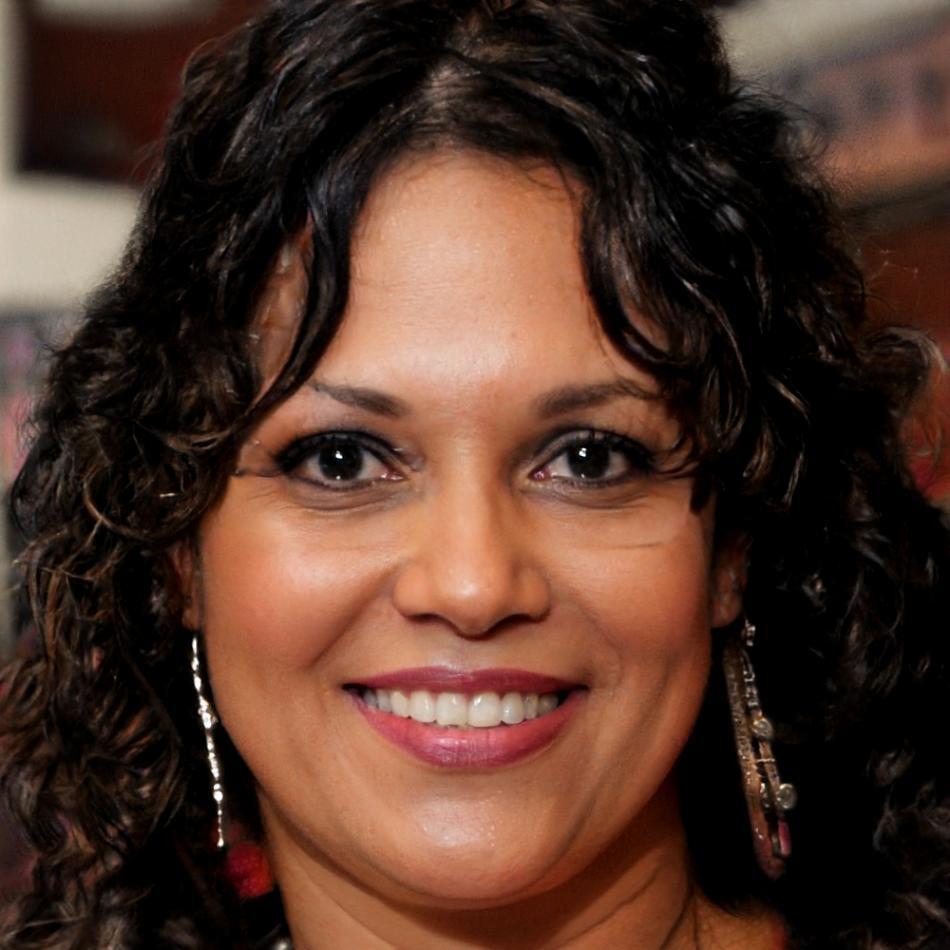
Ingrid Vesper
Risk Modeling Specialist
Ingrid joined us in 2018 after working in mining sector finance. She teaches the "what could go wrong" parts of scenario planning. Her sessions are honest, sometimes uncomfortably so. Students either love her directness or find it confronting. Both reactions are valid.
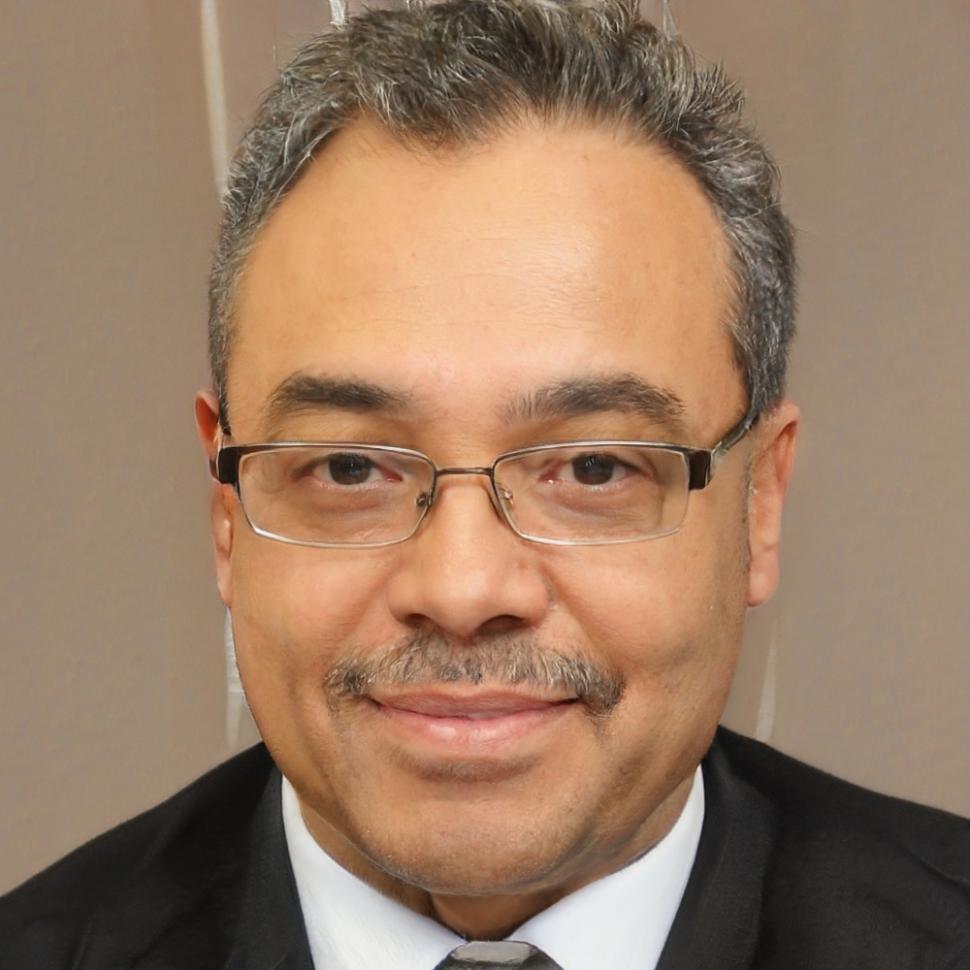
Piers Cavendish
Applied Tools Workshop
Piers handles the technical side without making you feel dumb for asking basic questions. He's built scenario tools for retail, hospitality, and professional services. Knows Excel backwards. Also knows when Excel isn't the right answer, which matters more than you'd think.
How It Actually Runs
Foundation Month (September 2025)
We start with what scenario modeling actually is. Not the textbook version. The version where you're trying to figure out if you can hire someone next quarter or if that new equipment lease makes sense. Four sessions, Tuesday evenings, online.
Building Models (October 2025)
You bring your actual business questions. We work through building scenarios together. Some people model expansion plans. Others model "what if revenue drops 30%." Both are valid. Both get equal attention. This is where things get practical fast.
Risk and Reality (November 2025)
Ingrid takes over here. She'll make you stress-test your models properly. Look at what you're not accounting for. Challenge your assumptions. It's not about being pessimistic. It's about being prepared when your best-case doesn't happen.
Tools and Refinement (December 2025)
Final month with Piers. He helps you set up systems you'll actually use after the program ends. Templates that make sense. Dashboards that don't need a degree to understand. We wrap up before Christmas because nobody's thinking about scenario models on December 23rd.
What You'll Learn
These are the actual skills past participants said they used most:
- Building three-scenario models that don't take all weekend
- Spotting which assumptions in your plan are actually just hopes
- Creating cash flow projections that account for reality
- Stress-testing decisions before you make them
- Presenting scenarios to partners, banks, or yourself at 2am
You won't become a financial wizard. But you'll stop making expensive decisions based on gut feel alone.
What Happens Next
The next intake starts September 2025. We're capping it at 15 participants because larger groups don't work for this kind of training.
Program runs four months, Tuesday evenings, 7-9pm AEST. All sessions recorded if you miss one. You'll need access to spreadsheet software and about 3-4 hours per week between sessions.
Applications open in June. We'll ask about your business, what you're trying to model, and why now. Not trying to be exclusive. Just want to make sure this program actually helps you.
Express Interest